



From Legacy Risk to 1.2 Million Users - How Bild Stabilised and Scaled One of Europe's Largest Yoga Platforms.
4m read


The Context
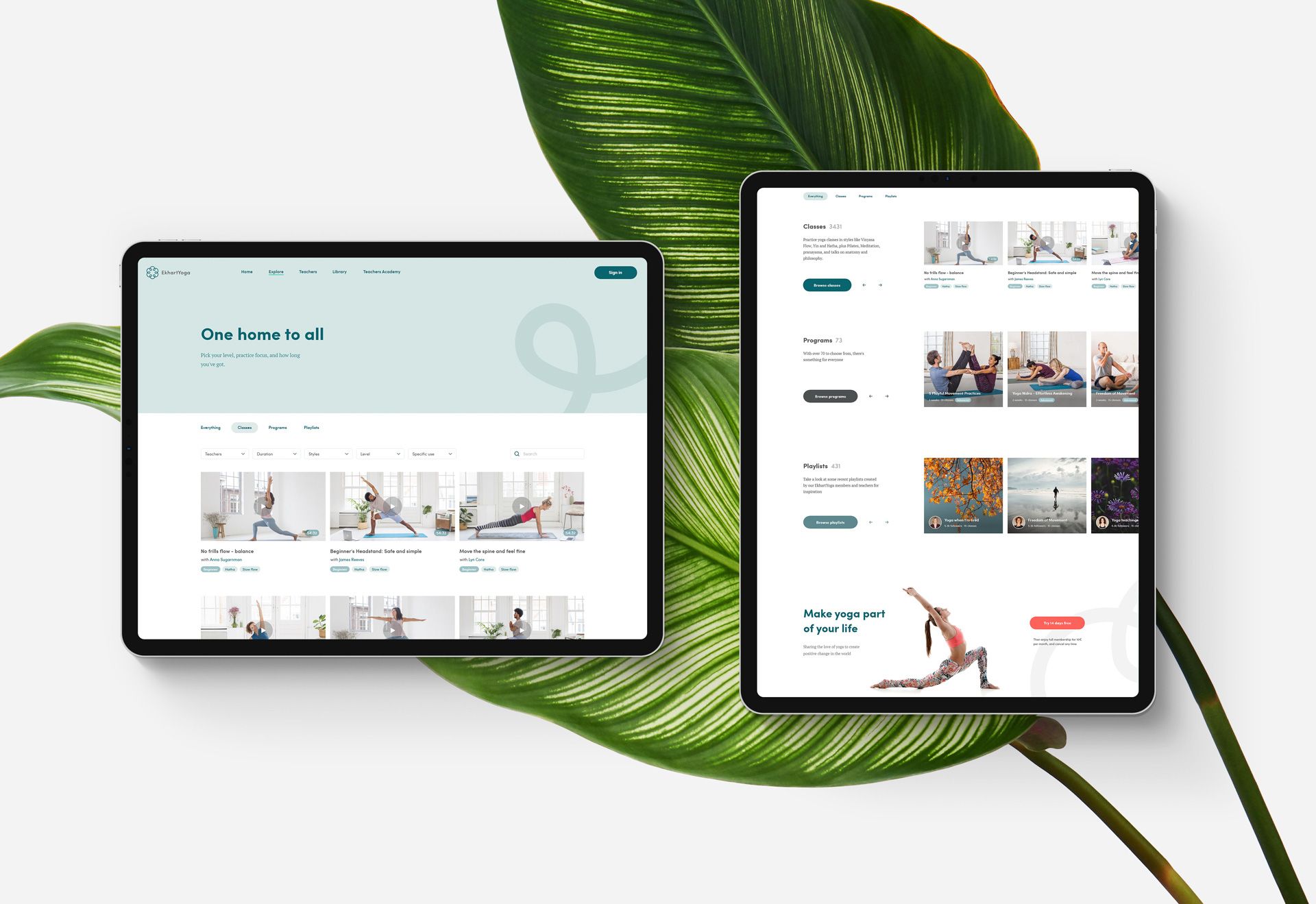
Ekhart Yoga is one of Europe's largest online yoga platforms, serving users across 122 countries, with 4,500+ classes, 50+ teachers, and 40TB of streamed video. By 2018, the platform's legacy architecture was becoming a serious liability. System crashes, payment instability, and limited scalability were threatening a business that had outgrown the technology it was built on.
Bild stabilised the platform within six months, modernised its infrastructure, and improved core product experiences. The result: 1,258,371 users, 2,282,754 sessions, and an average session duration of 7 minutes 40 seconds. Ekhart Yoga subsequently merged with YogaEasy, becoming one of the global leaders in online yoga.

The Pain
Ekhart Yoga had built something genuinely valuable, a global community of practitioners, a deep content library, and a loyal subscriber base across 122 countries. The problem wasn't the product. It was the foundation underneath it.
A monolithic PHP application running on outdated dependencies was causing recurring system instability. The payment system was fragile, creating real risk of revenue interruption. Security exposure was growing. Feature deployment was slow. And the operational overhead of holding the whole thing together was increasing month by month.
At that level of scale, these weren't just technical problems. They were direct threats to subscriber retention, brand trust, and the international growth the business was built for. Without intervention, the platform would have continued to slow and the risk of a serious incident would only have grown.

The Solution
Bild approached the engagement in three structured phases, stabilisation first, then modernisation, then growth.
Phase 1 - Stabilisation and Risk Elimination
Before anything else, the platform needed to be safe. Bild audited and documented the full legacy codebase, eliminated recurring crashes, rebuilt and stabilised the payment system, and reduced critical incidents. Operational reliability restored. Recurring subscription revenue secured. All within the first three months.
Phase 2 - Infrastructure Modernisation
With stability established, Bild restructured the platform's foundation. The application was containerised using Docker and migrated to Microsoft Azure, improving deployment flexibility, increasing uptime, and removing the architectural bottlenecks that had been limiting scalability. The platform could now support global demand without the infrastructure becoming the constraint.
Phase 3 - Product and UX Improvements
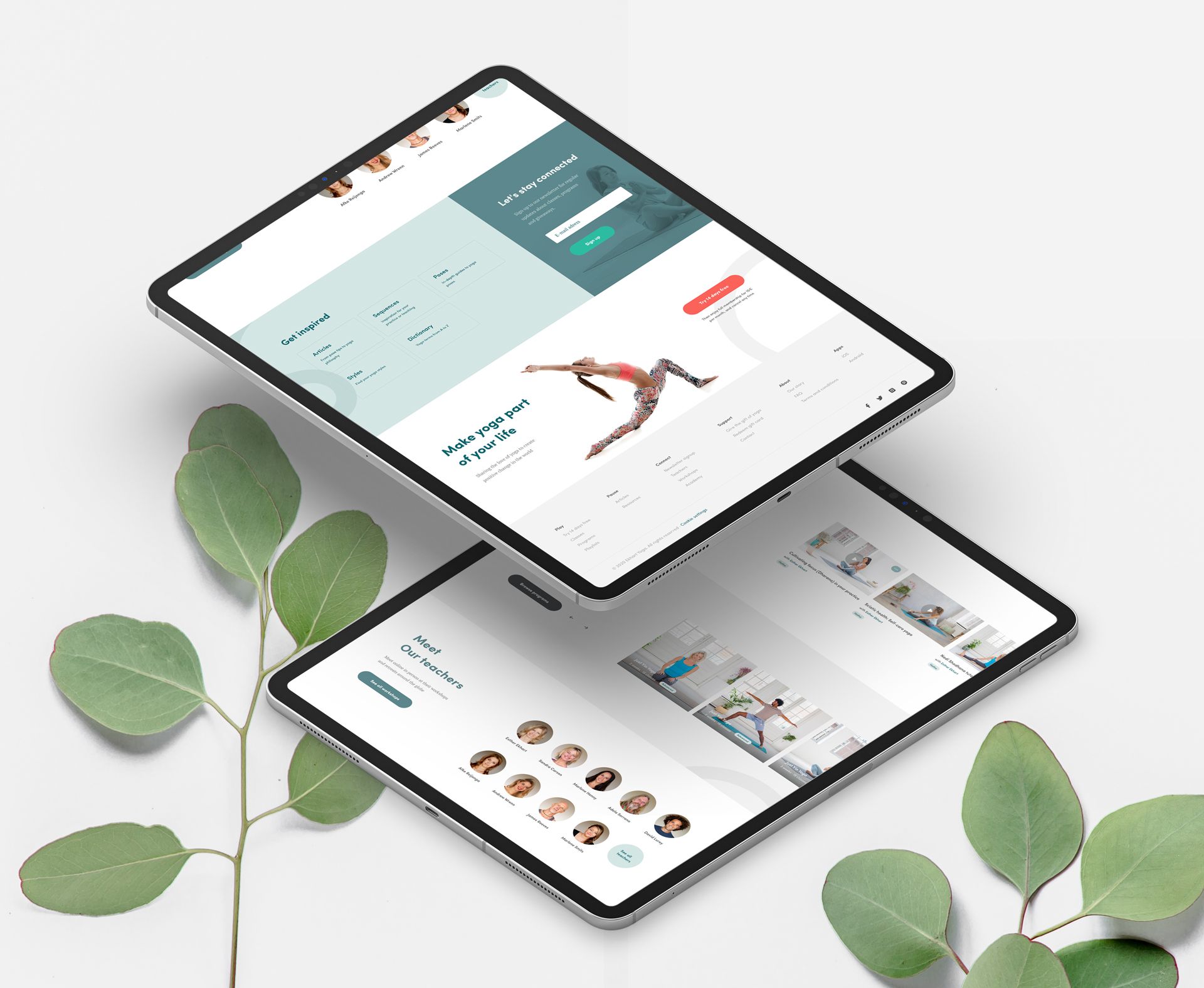
With the foundation solid, attention turned to the user experience. Redesigned homepage and onboarding flows, enhanced notification and comment systems, and targeted improvements to engagement, lifting average session duration to 7 minutes 40 seconds, supporting stronger retention and subscriber value.

Satisfied people. Great results.
What the client said

"Bild combines strong technical expertise with practical problem-solving. Their ability to cut through old legacy complexity and deliver a modern, scalable solution distinguished them from the vendors we had worked with in the past."

Where This Is Headed
The modernisation didn't just solve a technical problem, it repositioned the business. With a stable, scalable platform and a growing global user base, Ekhart Yoga was in a position to pursue its next chapter. The merger with YogaEasy followed, creating one of the world's leading online yoga platforms.
Enterprises transform with confidence. The infrastructure Bild delivered made that transformation possible.


Got a platform that's outgrown its foundations and can't afford to stop while you fix it?
Legacy architecture doesn't announce when it's about to become a crisis. If your platform is carrying technical debt that's slowing growth or creating real operational risk, that's the conversation worth having before something breaks.